

“Wagashi” (和菓子) are traditional Japanese sweets. They are made primarily from plant-based ingredients. There are varieties for everyday enjoyment, for the tea ceremony, and for special occasions. Some are seasonal or regional.

How are wagashi categorised?
Wagashi can be categorised in several ways. Here are the four approaches used in this article:
Depending on the water content
Wagashi are classified according to their water content: ‘nama-gashi’ (fresh sweets), ‘han-nama-gashi’ (semi-fresh), and ‘higashi’ (dry). The less water they contain, the longer they keep.
NAMA-GASHI : 生菓子
‘Nama-gashi’ are types of wagashi containing more than 30 per cent water. They do not keep for long: some last barely a day. We have categorised them here according to their ingredients and method of preparation.
MOCHI-GASHI : 餅菓子
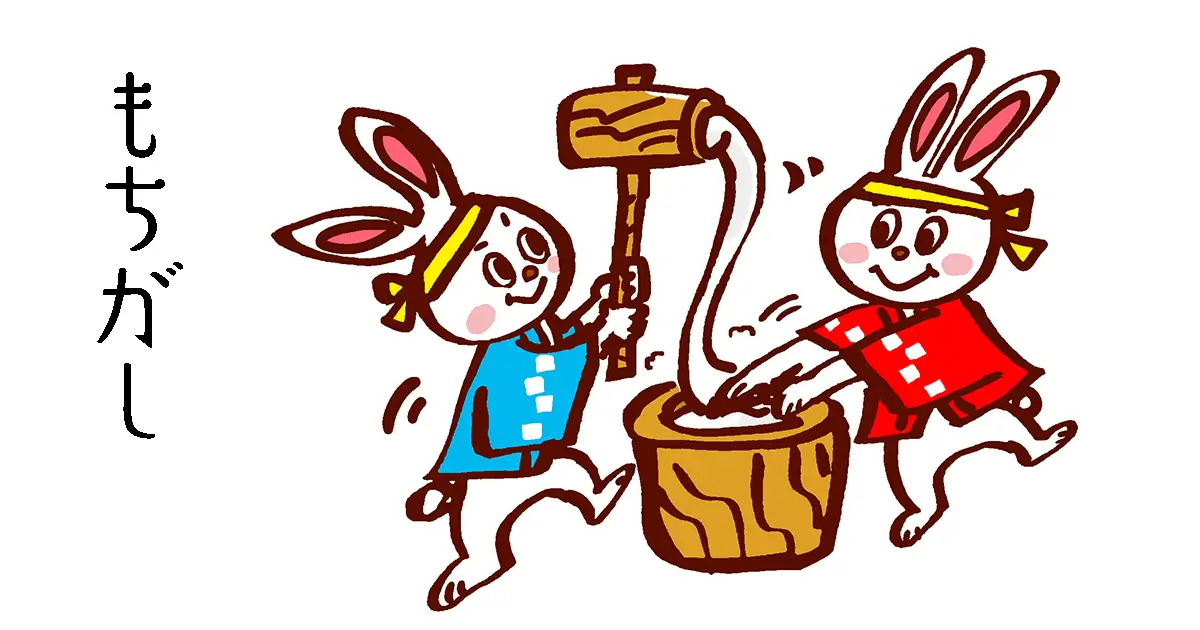
‘Mochi-gashi’ are wagashi made from glutinous rice, uruchi (non-glutinous) rice and flours derived from these. We also include all wagashi whose names contain the word ‘mochi’, even if they are made with ingredients other than rice.
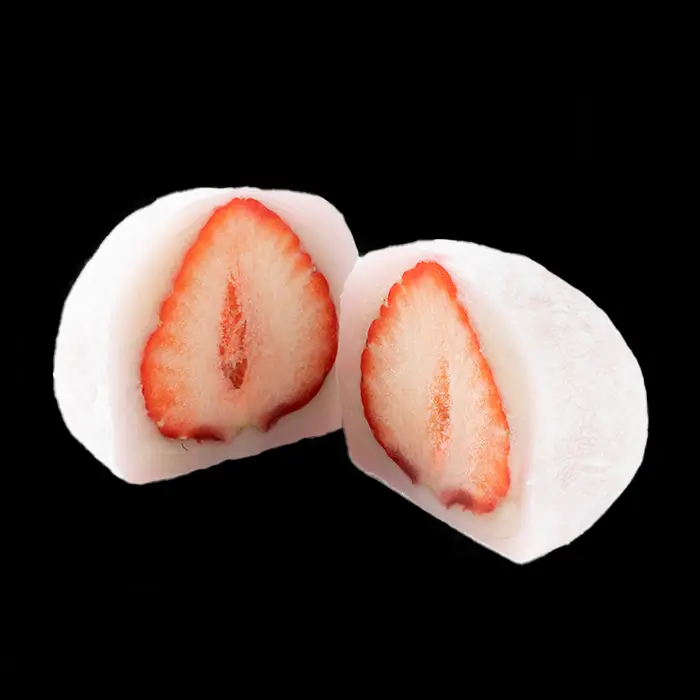
Ichigo-daifuku
Strawberry daifuku
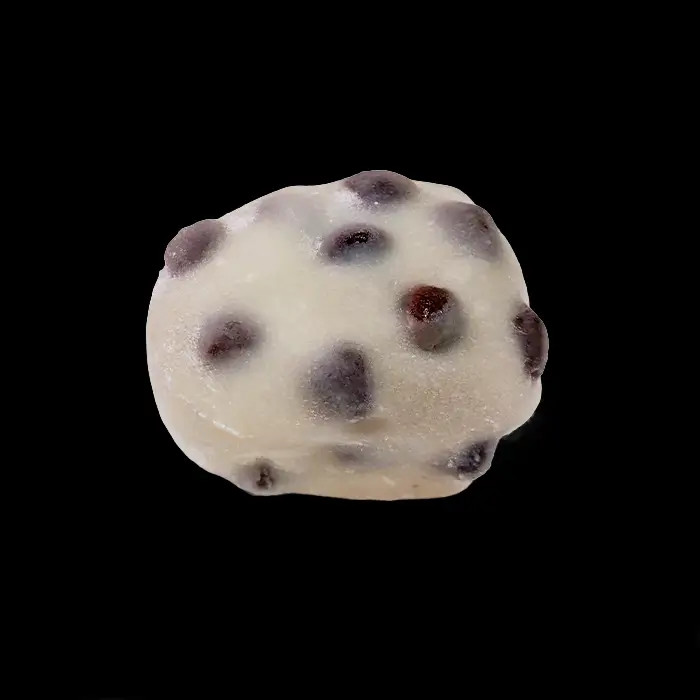
Mame-daifuku
Daifuku with red beans
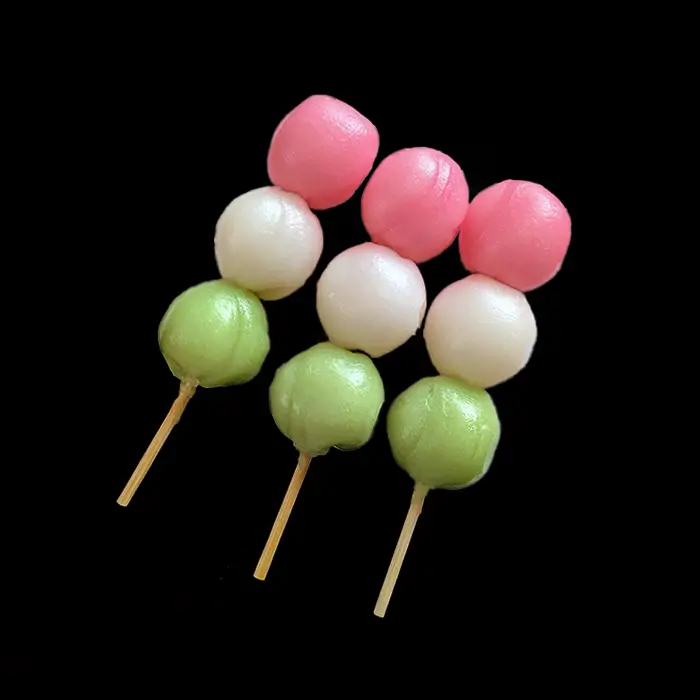
Hanami-dango
Tricolour dango,
eaten during hanami
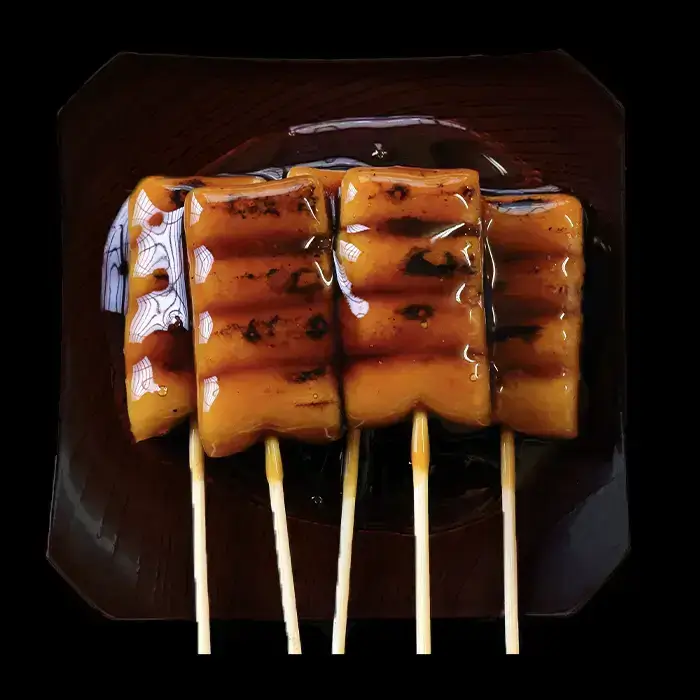
Mitarashi-dango
Grilled dango
with a sweet soya sauce
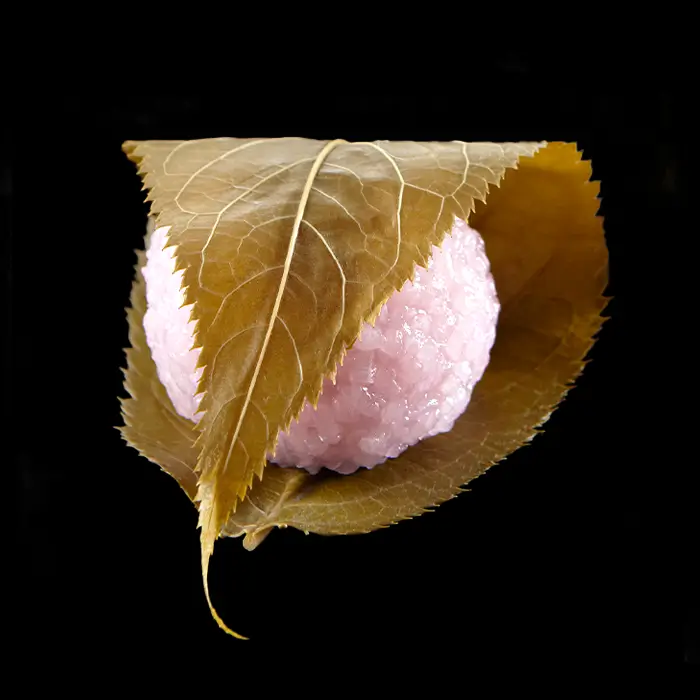
Sakura-mochi (Kansai)
Mochi wrapped in a salted cherry leaf
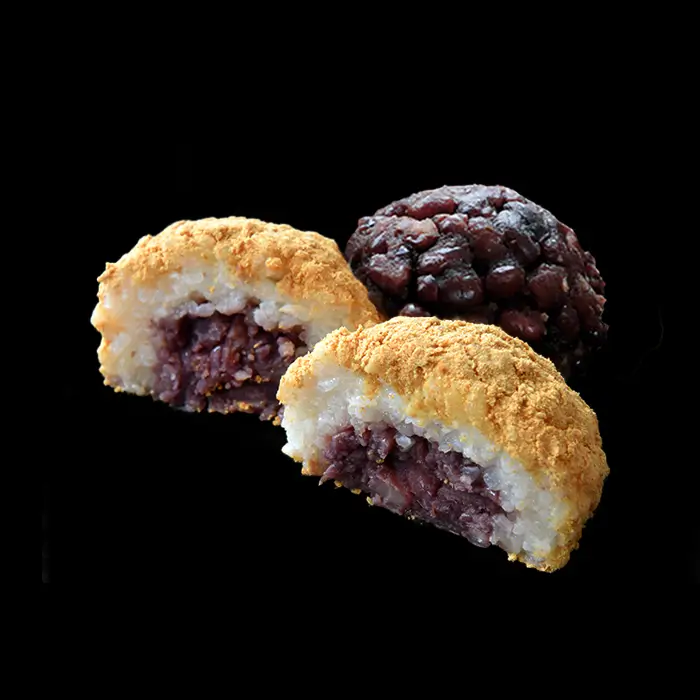
Ohagi
Mochi for the autumn equinox
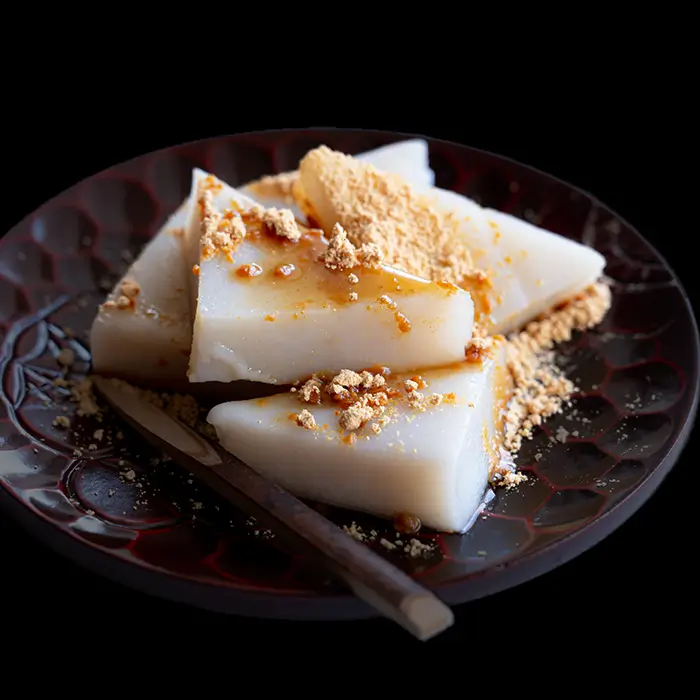
Kuzu-mochi (Kanto)
Mochi made from fermented wheat starch
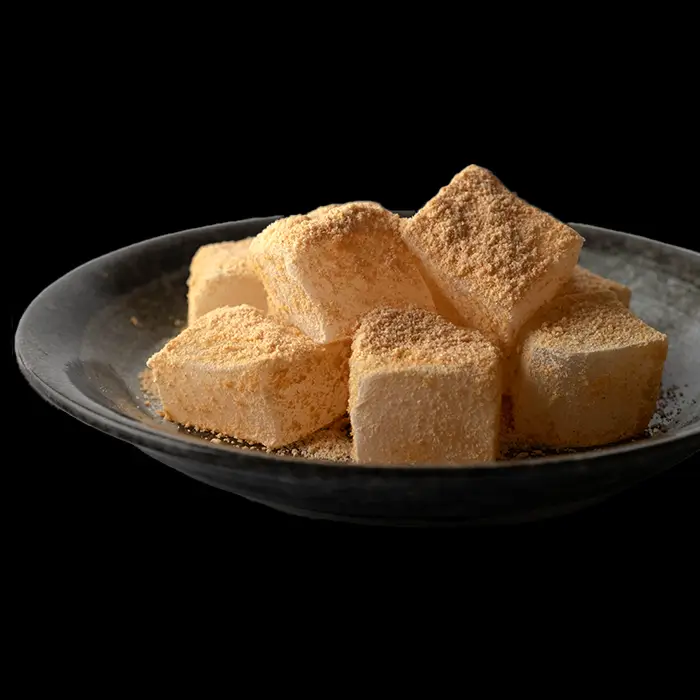
Warabi-mochi
Mochi made from the starch of warabi roots
NERI-GASHI : 練り菓子
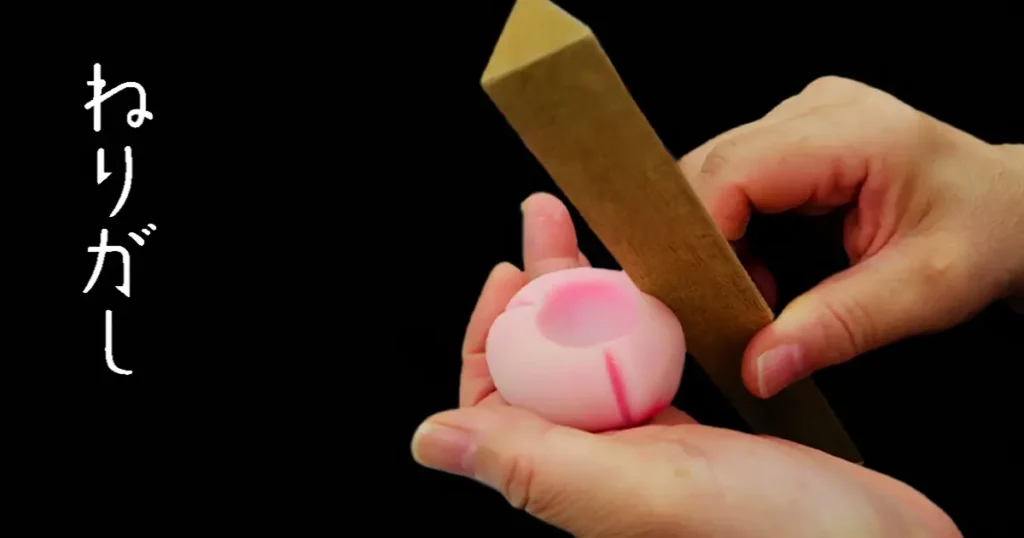
‘Neri-gashi’ are wagashi made from anko or glutinous rice flour, to which sugar and a binding agent – such as yam, wheat flour or cooked rice flour (mijinko) – are added. The dough is thoroughly mixed, kneaded and worked, then shaped by hand into designs that herald the coming season.
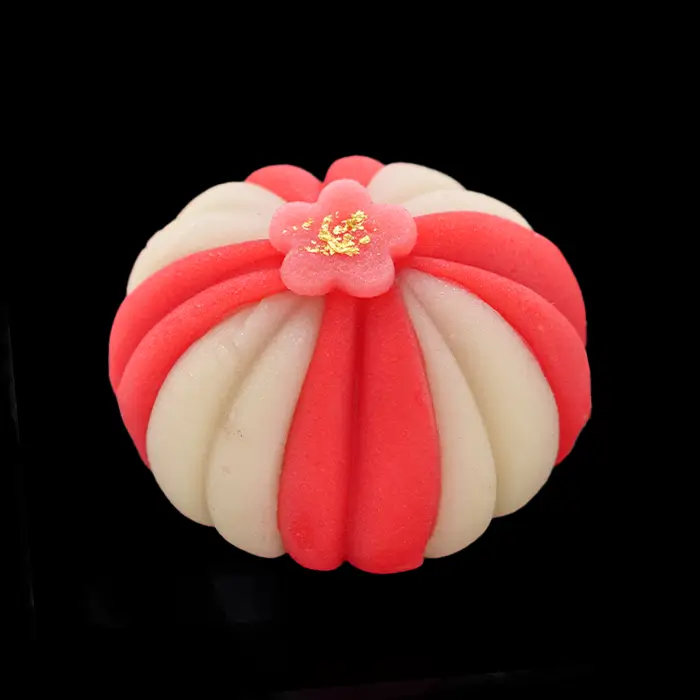
Nerikiri
White bean paste mixed with gyūhi, then kneaded and shaped by hand
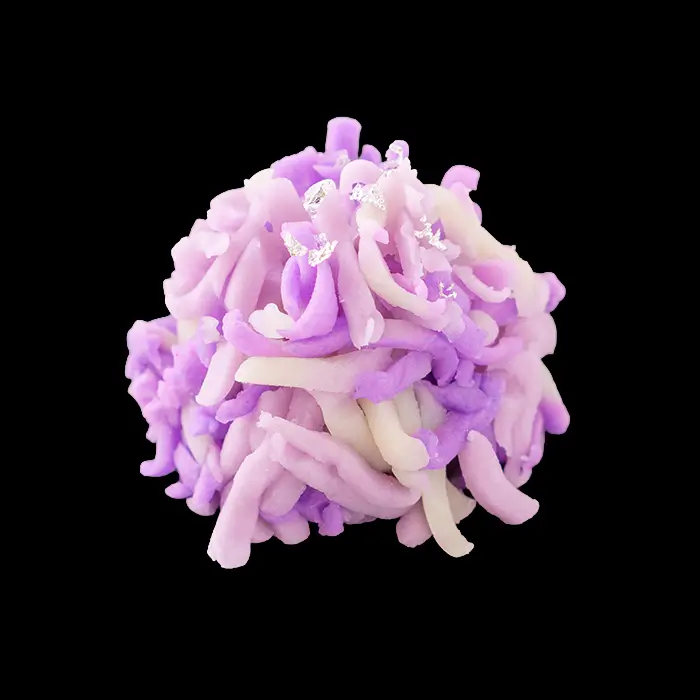
Kinton
An anko ball covered in strands of coloured white bean paste (sobōro)
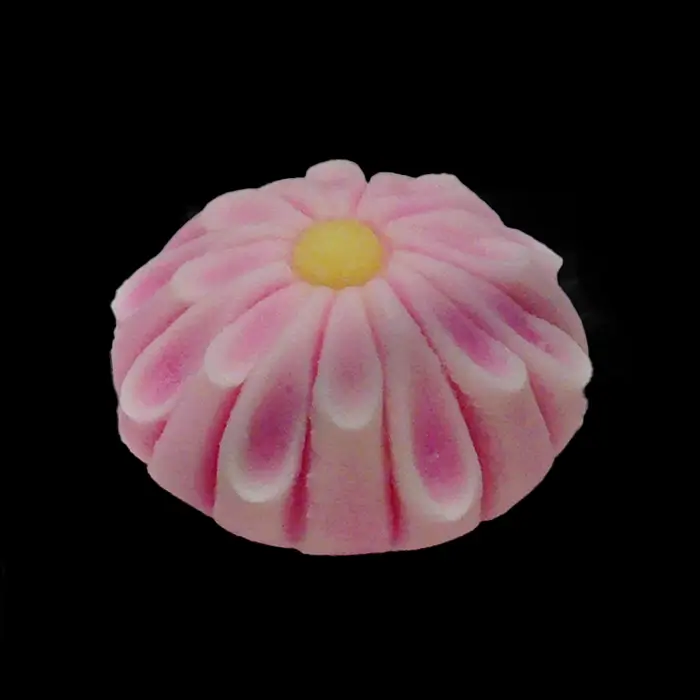
Joyo-nerikiri
A paste made from yam and sugar
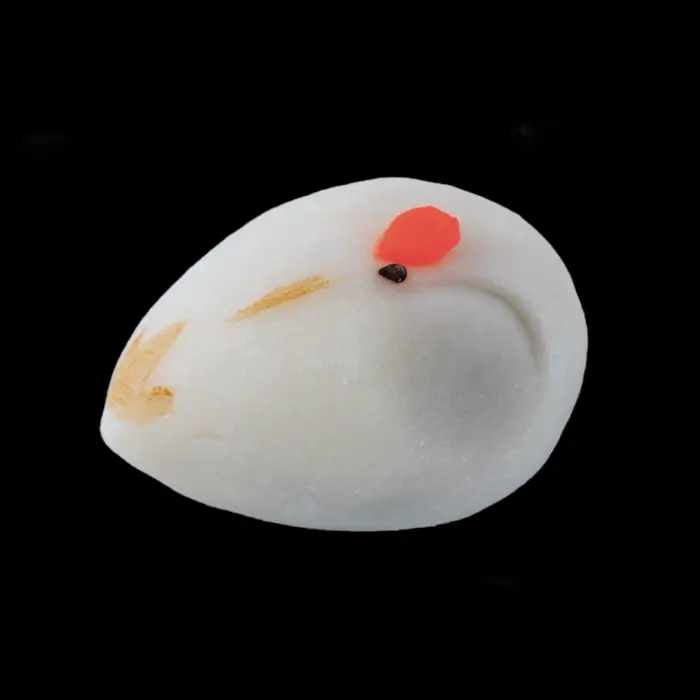
Seppei
A light gyūhi mixed with beaten egg white and a little white bean paste
MUSHI-GASHI : 蒸し菓子
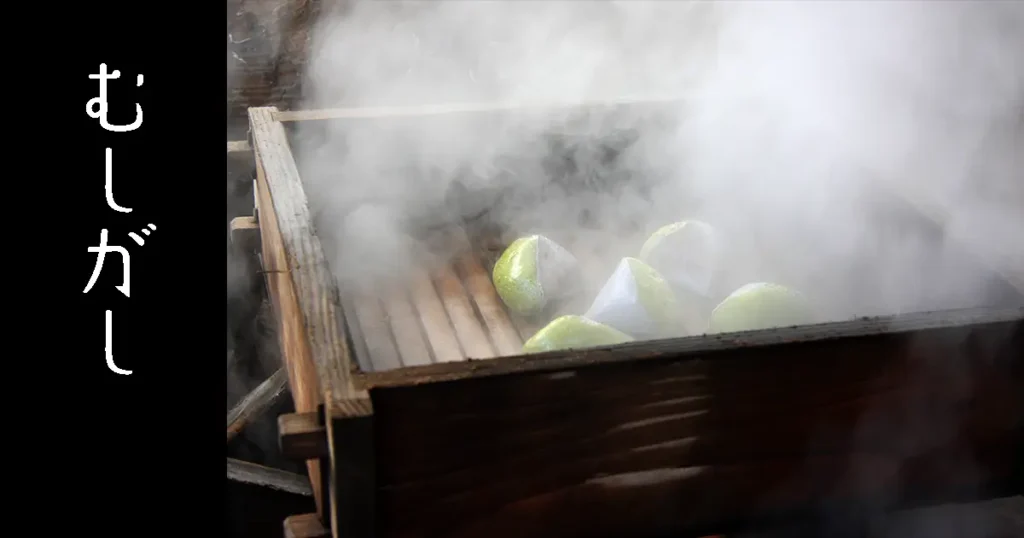
‘Mushi-gashi’ are wagashi made by shaping the dough and then steaming it in a traditional wooden basket (seiro).
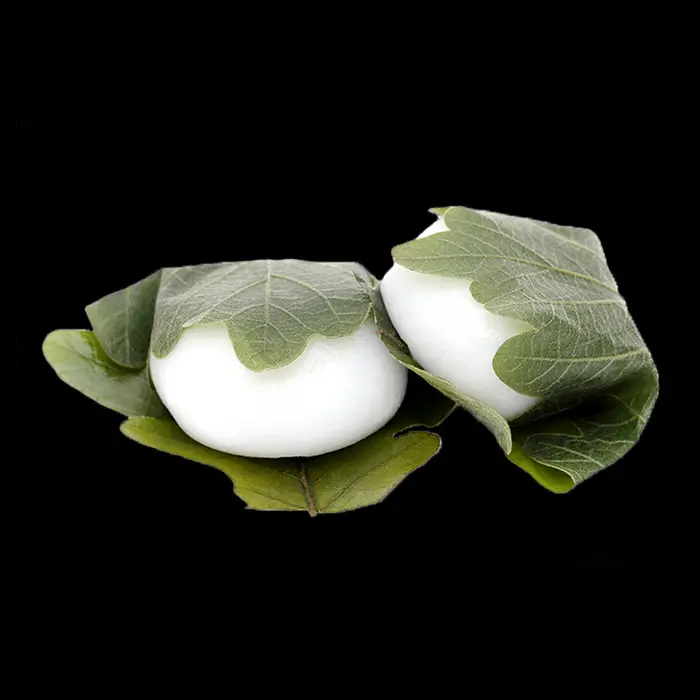
Kashiwa-mochi
Mochi wrapped in an oak leaf
filled with anko
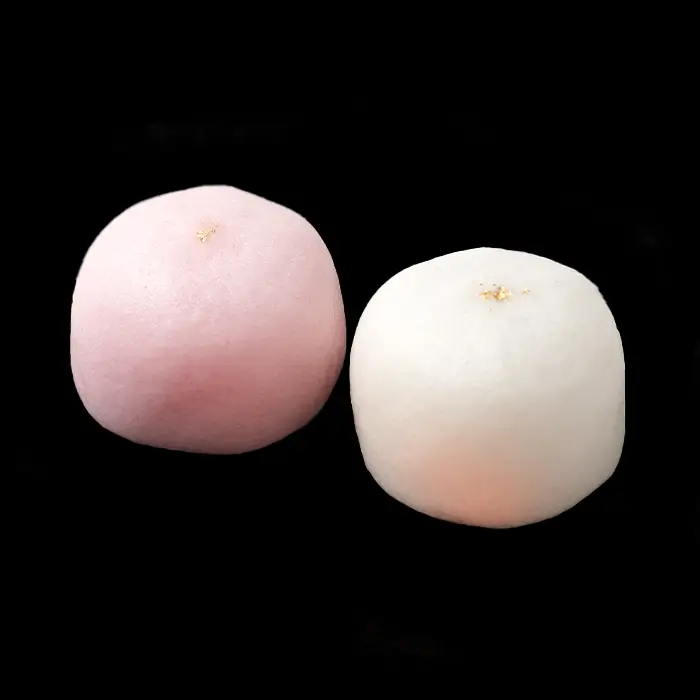
Joyo-manju
Yam-based manju, filled with anko
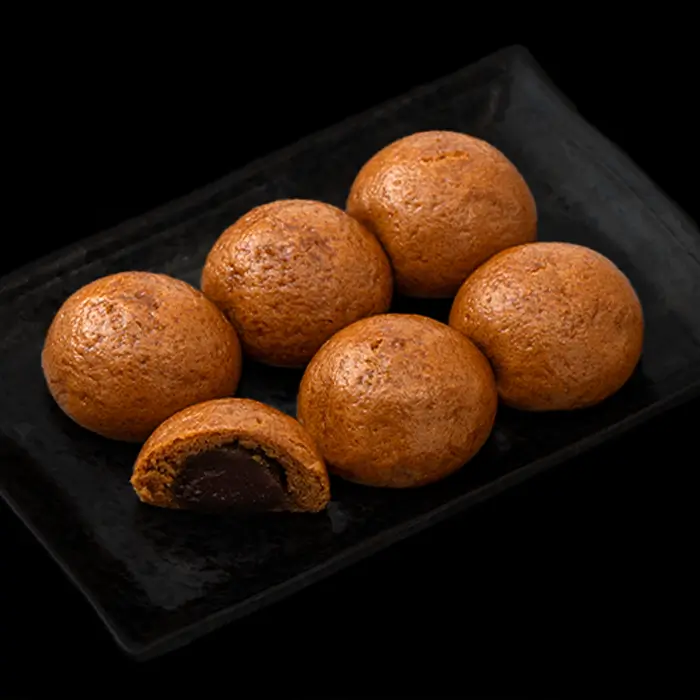
Kokuto-manju
Brown Sugar Manju
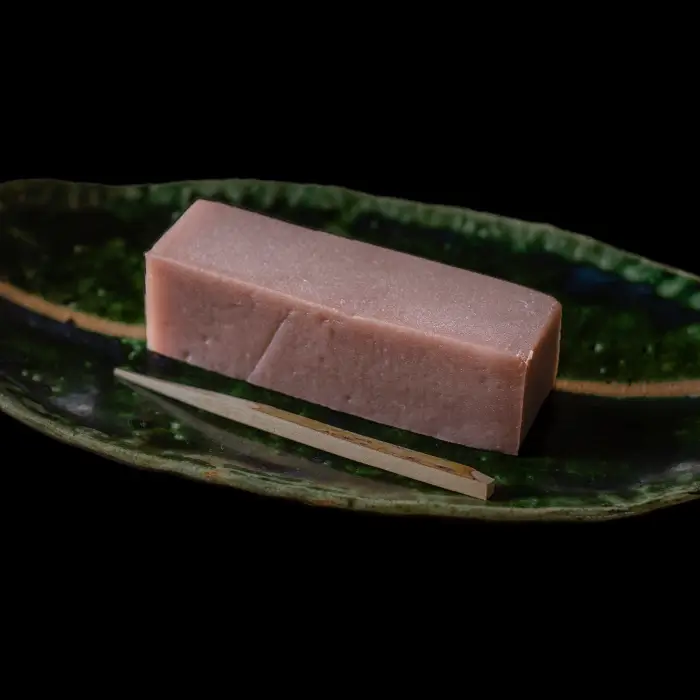
Mushi-yokan
Steamed azuki bean paste